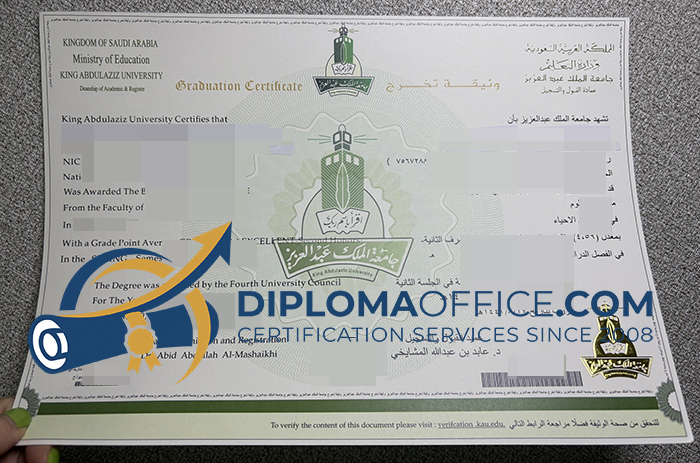
King Abdulaziz University (KAU), situated in Jeddah on Saudi Arabia’s Red Sea coast, stands among the most influential public universities in the Arab world. Founded in 1967 as a private educational initiative, it transitioned into a state-funded public university in 1971. For nearly six decades, the institution has balanced regional cultural heritage with global academic standards, serving as a core driver of Saudi Vision 2030. With more than 80,000 enrolled students representing over 100 nationalities, KAU delivers undergraduate, master’s and doctoral training spanning humanities, medical sciences, engineering, business and environmental research. Prospective international students and industry recruiters frequently research its academic standing, research output, graduate employability and global recognition when evaluating study opportunities in the Middle East.
Historical Background and Institutional Positioning
The university was created to expand accessible higher education in the western region of Saudi Arabia, addressing demand for skilled local professionals amid the kingdom’s economic expansion. Named after King Abdulaziz Al Saud, the founder of modern Saudi Arabia, the institution’s mission prioritises high-quality teaching, impactful scientific research and community engagement. Today, it consistently features in major global university rankings, regularly securing a top-two position within Saudi Arabia and ranking among the leading 200 universities across Asia. As a prominent multicultural campus hub in Jeddah, a major commercial gateway city, KAU enjoys unique advantages for industry collaboration, maritime research and cross-cultural academic exchange unavailable to many inland Saudi universities.
Academic Structure and Core Disciplinary Strengths
KAU hosts more than 30 faculties and specialised research institutes, delivering a broad spectrum of academic pathways. Its strongest recognised fields include marine science, earth sciences, pharmacy, civil and chemical engineering, medicine, computer science and business administration. Multiple programmes hold respected international accreditations: engineering degrees carry ABET accreditation, while business programmes hold AACSB certification, aligning curricula with worldwide professional benchmarks. Although many undergraduate courses are taught in Arabic, a growing portfolio of postgraduate programmes uses English as the medium of instruction, lowering barriers for international applicants. Students can select from coursework-based degrees or research-focused master’s and PhD tracks, with opportunities to join ongoing projects in renewable energy, arid land agriculture, artificial intelligence and public health.
Research Capacity and International Partnerships
Research forms a central pillar of KAU’s strategic development. The university operates dozens of dedicated research laboratories and centres concentrating on regionally relevant challenges, including desert sustainability, marine ecology, climate adaptation and healthcare innovation. Faculty members regularly publish high-impact papers in peer-reviewed international journals, strengthening its citation metrics in global rankings. KAU maintains formal exchange agreements with hundreds of universities across Europe, North America, Asia and Africa, enabling student mobility, joint research projects and visiting scholar programmes. These partnerships create pathways for cross-border knowledge sharing and help graduates build global professional networks.
Recognition, Graduate Outcomes and Global Acceptance
Employers and overseas academic institutions widely acknowledge KAU’s academic credentials. A King Abdulaziz University degree meets national accreditation requirements from Saudi Arabia’s Education & Training Evaluation Commission and is recognised for further study and professional licensing across most regions. Local and multinational firms operating within Saudi Arabia actively recruit its graduates, particularly in healthcare, engineering, finance and information technology sectors critical to Vision 2030. The university also offers generous merit-based scholarships for international postgraduate candidates, including stipends, housing support and tuition waivers, making advanced education accessible to talented applicants worldwide. Campus facilities include advanced laboratories, comprehensive libraries, student housing and sports amenities, supporting a complete learning and living experience for domestic and international learners.
Considerations for Prospective International Students
While KAU offers compelling educational value, applicants should weigh practical factors before submitting applications. Entry criteria vary by programme, with competitive standards for medicine, engineering and popular business tracks. International students must verify language requirements, visa procedures and document attestation rules well in advance. Those seeking English-taught options should carefully review programme listings, as Arabic remains the primary medium for many undergraduate majors. Scholarship availability fluctuates annually, so candidates are advised to monitor official university portals for updated deadlines and eligibility rules.
Overall, King Abdulaziz University represents a balanced choice for students aiming to study in the Middle East. It combines strong regional reputation, diverse subject offerings, active research ecosystems and expanding global connectivity, positioning graduates to pursue careers or further education locally and internationally.