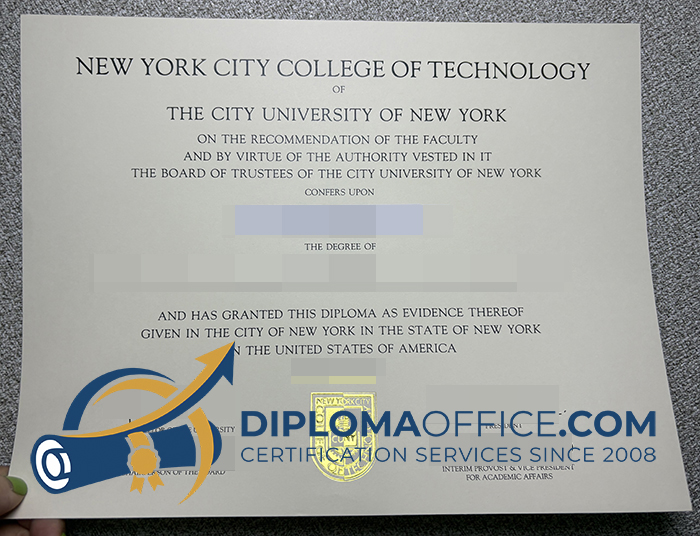
New York City College of Technology, universally shortened to City Tech, stands as the public career-focused technical college within the City University of New York (CUNY) system. Situated in downtown Brooklyn, this long-established institution has built its reputation on applied technical education, affordable tuition, and strong connections to New York City’s local industries. Founded officially in 1946, the college was created to deliver practical workforce training, and this core mission continues to shape every academic offering available to today’s learners. This guide analyses City Tech from academic offerings, campus learning experience, admission standards, graduate outcomes and accreditation to support prospective students making informed education decisions.
Core Academic Programs and Applied Learning Philosophy
City Tech differentiates itself from traditional liberal arts universities by prioritising hands-on, laboratory-based learning embedded into formal coursework. The college delivers more than 55 accredited associate and bachelor’s degree programs distributed across four primary academic schools: Technology & Design, Health Sciences, Professional Studies, and Arts & Sciences. Standout disciplines include architectural technology, dental laboratory technology, cybersecurity, nursing, communication design, hospitality management and engineering technology. Several of these programs are unique within the entire CUNY network, and some dental technology tracks rank among the oldest accredited training pathways in the United States.
Many programs hold specialised industry accreditation, including ABET for engineering technology, CODA for dental health training, and NAAB for architecture. Unlike lecture-heavy curricula, students regularly access fabrication workshops, medical simulation labs, design studios and commercial training kitchens to translate theory into practice. This practical framework directly aligns learning objectives with real workplace requirements for employers across New York’s healthcare, construction, technology and creative sectors.
Campus Environment, Student Community and Support Resources
Located minutes from Manhattan via public transit, City Tech operates as a commuter campus without on-campus student housing, reflecting the needs of its diverse student body. Approximately 14,500 undergraduates enrol each semester, representing more than 130 countries and creating one of the most multicultural learning environments within CUNY. Over half of enrolled students work part-time or full-time alongside their studies, so the college schedules flexible evening, weekend and online courses to accommodate non-traditional learners.
The student-to-faculty ratio sits between 13:1 and 17:1, enabling personalised mentorship within small seminar and lab groups. Most instructors bring active professional industry experience rather than purely academic backgrounds, offering students insider insight into career pathways. Support services include a dedicated transfer centre, free academic tutoring, career development workshops, internship matching and comprehensive financial aid advising to help eligible learners secure grants, work-study placements and low-interest loans.
Admission Criteria, Tuition and Affordability
City Tech maintains accessible admission requirements with an acceptance rate near 76%, operating test-blind admissions policies that do not require standardised SAT or ACT results. Applicants are evaluated based on high school transcripts, academic readiness and relevant prior learning experience. As a public state college, tuition remains significantly lower than private universities. In-state New York residents benefit from favourable per-semester pricing, while out-of-state and international students follow separate rate structures. A large portion of the student population qualifies for federal and state need-based aid, greatly reducing net education costs.
Transfer students receive clear credit evaluation through official articulation agreements with regional community colleges, simplifying the process for learners continuing higher education. Flexible entry points in fall and spring semesters further widen access for students planning to restart or advance their technical training.
Graduate Career Value and Industry Recognition
Career outcomes represent a primary draw for applicants choosing City Tech. The college consistently ranks highly for upward economic mobility among northern U.S. public institutions, with graduates securing roles at New York hospitals, architecture firms, tech startups, design agencies and hospitality enterprises. Internship opportunities within the NYC metropolitan region create natural pipelines for permanent employment after graduation.
For individuals pursuing professional registration, completing accredited study tracks creates eligibility requirements for many state licensure examinations in nursing, radiology, architecture and engineering technology fields. A City Tech diploma carries verified recognition by regional and industry accrediting bodies, confirming that holders satisfy established standards of technical competency preferred by regional employers. Ten-year median graduate earnings data demonstrates solid long-term wage growth for alumni who complete their chosen degrees.
Summary: Who Should Attend City Tech?
City Tech serves as an optimal choice for students targeting practical, career-ready technical education without the high costs associated with private technical schools. It fits ambitious commuter learners, transfer students, career changers, and international students aiming to build industry-specific skills while studying within New York City. Its balance of accredited formal education, experiential training and affordable pricing creates a clear pathway into stable, skilled professions. Anyone prioritising workplace applicability over purely theoretical higher education will find City Tech’s curriculum and industry connections a powerful foundation for long-term professional development.