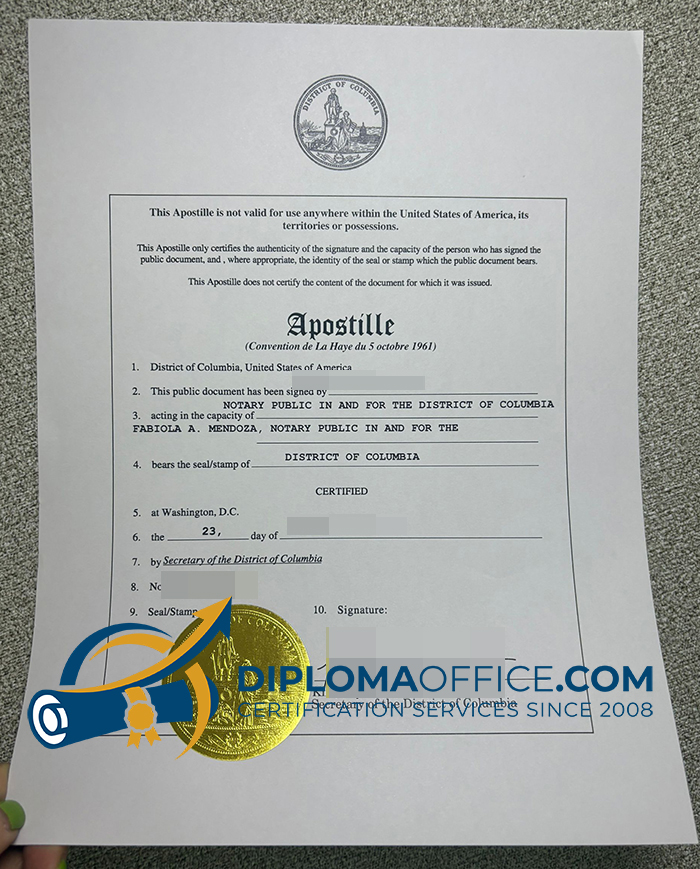
The Hague Apostille Convention of 1961 created a unified certification standard to eliminate complicated multi-step consular legalisation for public documents shared between member nations. An apostille is an official supplementary certificate verifying the authenticity of signatures, official seals and the authority of public officers who issued a document. Importantly, it does not validate the truthfulness of information inside the file itself, only the legitimacy of its origin. As a prominent academic institution based in New York City, Columbia University frequently processes official paperwork for alumni and students planning overseas education, employment, immigration and professional licensing. Individuals seeking to use university diplomas, official transcripts or academic certifications outside the United States will need formal state-level authentication, commonly referred to as Columbia Apostille, to meet foreign official requirements.
Common Documents Eligible for Apostille Certification
Not all paperwork qualifies for apostille processing; only public documents bearing verified official signatures can receive certification. For Columbia University community members, frequently submitted records include graduation diplomas, official academic transcripts, enrollment verification letters and university-issued professional certificates. Outside academia, people also process birth certificates, marriage records, notarised affidavits, corporate formation documents and court rulings. Private documents without public official signatures cannot obtain an apostille and often require full notarisation before further authentication. Applicants must confirm whether their destination country participates in the Hague Convention. Non-member jurisdictions demand traditional embassy legalisation instead of apostille services.
Step-by-Step Process to Secure Apostille for Columbia University Records
Many applicants make costly delays by misunderstanding the sequential authentication rules for New York academic documents. First, candidates request certified copies of transcripts or diplomas directly from Columbia’s Office of the University Registrar. Standard university-certified copies carry the registrar’s verified signature. Second, the certified academic document must undergo county-level signature authentication at the New York County Clerk’s office in Manhattan. This intermediate step is mandatory for all state apostille applications originating within New York City. Third, submit the pre-authenticated paperwork to the New York State Department of State, the competent authority authorised to issue official apostille certificates. Applications can be delivered in person or sent by tracked postal mail. Expedited processing options exist for urgent international deadlines but carry additional administrative fees.
Key Timelines, Fees and Practical Planning Advice
Processing durations depend heavily on submission methods and seasonal demand. Standard mail-in applications to New York state authorities usually take 3 to 8 business days, while walk-in service can finish within one business day when staffing permits. Government administrative fees are fixed per document, separate from courier charges, notary expenses or third-party agent service costs. Applicants should avoid last-minute submissions, especially during graduation seasons and peak immigration application cycles when backlogs regularly appear. If the receiving foreign authority requires translated documentation, follow the standard protocol: complete apostille authentication on the original English document first, then arrange certified translation services. Many overseas agencies reject translations apostilled before the primary official record.
Frequent Mistakes Leading to Application Rejection
Several recurring errors cause authorities to return applications unprocessed. Submitting uncertified student copies instead of registrar-certified official documents tops the rejection list. Skipping the critical county clerk authentication stage is another widespread mistake for Columbia paperwork applicants. In addition, damaged documents, incomplete application forms, insufficient payment and unclear scanned attachments for mail submissions create delays. Applicants should also double-check destination-country regulations: some nations require hard-copy apostille certificates and do not accept digital e-apostille versions currently issued in limited regions.
Difference Between Apostille and Consular Legalisation
Clear distinction between the two authentication pathways prevents wrong service selection. Apostille works exclusively among Hague Convention contracting parties, offering one-time, universally recognised certification with no further embassy verification required. Consular legalisation is a lengthy multi-stage process designed for countries outside the treaty framework. After state-level authentication, documents must receive validation from the relevant foreign embassy or consulate located within the United States. This route incurs higher total costs and significantly extended waiting times.
Conclusion
For Columbia graduates and students pursuing opportunities globally, securing proper document authentication is a foundational administrative task. Navigating the Columbia Apostille procedure accurately ensures academic records gain legal recognition across all Hague Convention member territories. By following the official authentication sequence, preparing original certified documents and accounting for official processing timelines, applicants can avoid unnecessary setbacks for visa applications, overseas university admissions and international professional registration. Always verify updated procedural rules on the New York State Department of State official portal before submitting any paperwork.